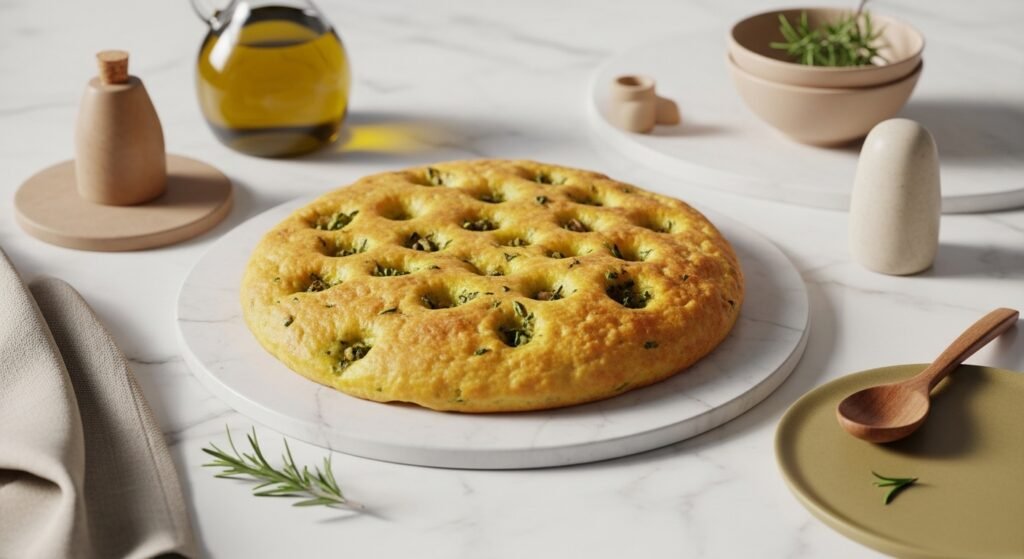
You love crunchy edges, an airy interior, and olive oil that actually tastes like something. If your focaccia comes out dense, flat, or oily, this step-by-step guide shows you exactly how to make focaccia bread that’s perfectly airy, crispy, and bursting with flavor every time.
The secret is consistent measurements and the right tools. A digital kitchen scale keeps dough hydration spot on, and a stand mixer speeds kneading if you’d rather not hand-slap the dough. Follow these steps and you'll learn the mixing, proofing, timing, and baking cues to nail focaccia from scratch.
Expect one active hour plus rises (or an overnight chill option), one 9×13 pan of focaccia that serves 6–8, and simple variations to match any meal.
Preparing Your Ingredients and Station
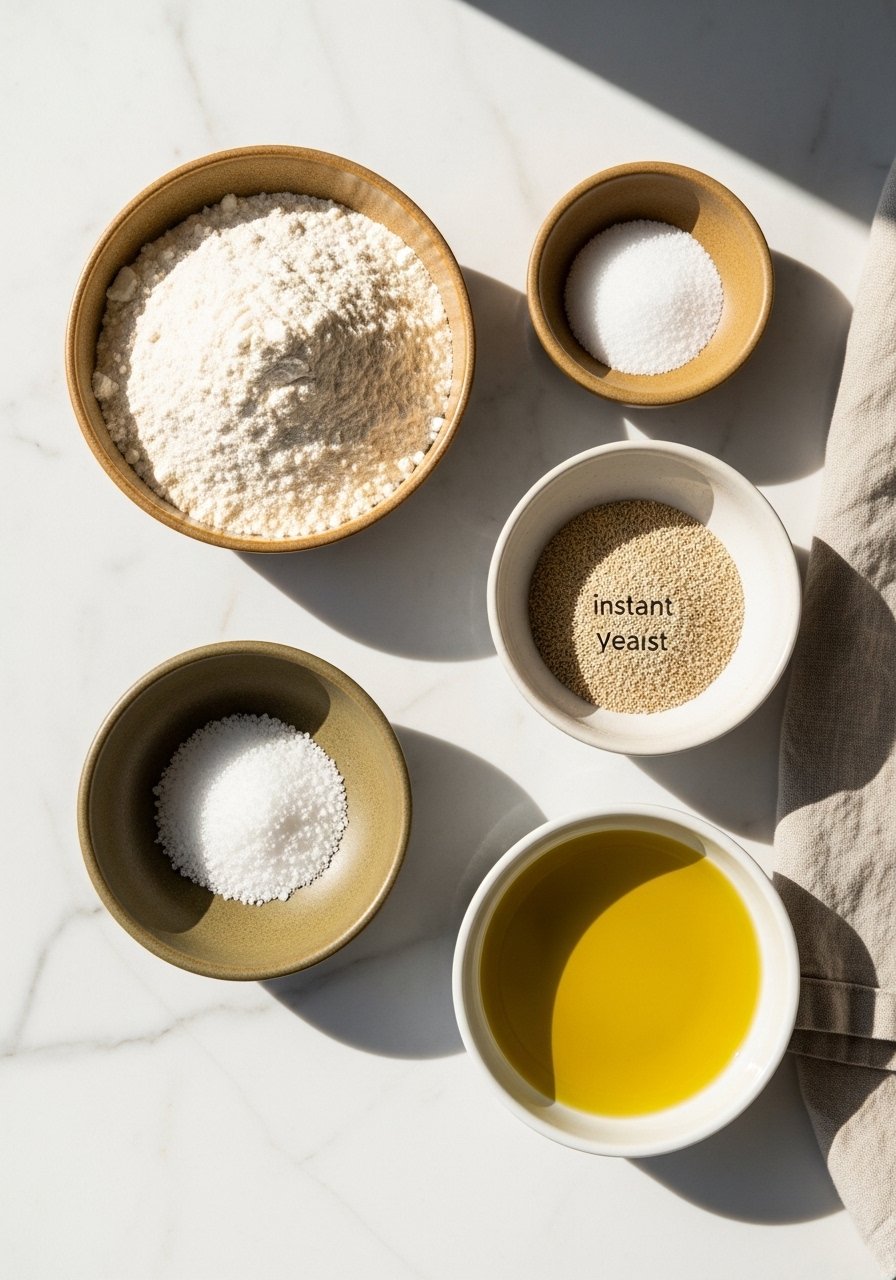
Start by measuring: use 500 g (about 4 cups) bread flour, 10 g salt, 7 g instant yeast, 350 g water (70% hydration), and 60 g olive oil for a classic, airy crumb. Weighing on a digital kitchen scale beats cups for consistency.
Tips:
- Use instant yeast for a one-hour rise or chill overnight for more flavor.
- Keep a bench scraper handy to move sticky dough and fold without mess.
- Line your pan with parchment paper or use a silicone baking mat for easy release and crisp bottoms.
Mixing, Folding, and First Rise
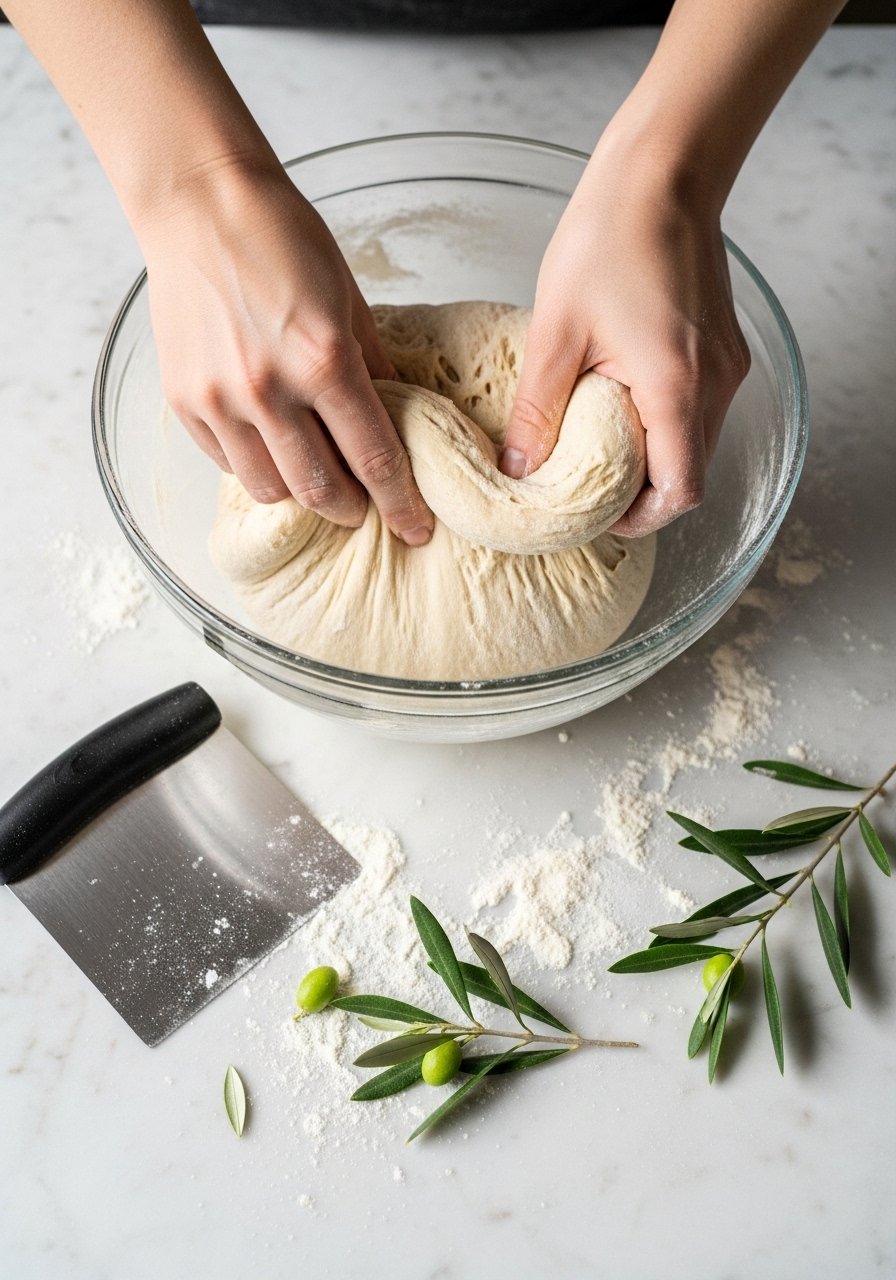
How to make focaccia bread dough that's airy: hydrate, mix, and do short folds.
- Combine flour, yeast, and water in a bowl and mix until shaggy. If using a stand mixer, mix on low with a dough hook for 3–4 minutes.
- Add salt and 30 g olive oil, mix 1–2 minutes. Dough should be wet and tacky.
- Perform 3 sets of stretch-and-folds every 20 minutes (or fold in-bowl if hands-off). This builds structure without heavy kneading.
Let dough rise until doubled — about 1–1.5 hours at room temperature, or refrigerate overnight (8–16 hours) for deeper flavor. A bench scraper makes each fold neater.
Shaping, Dimpling, and Baking for Crispy Crust
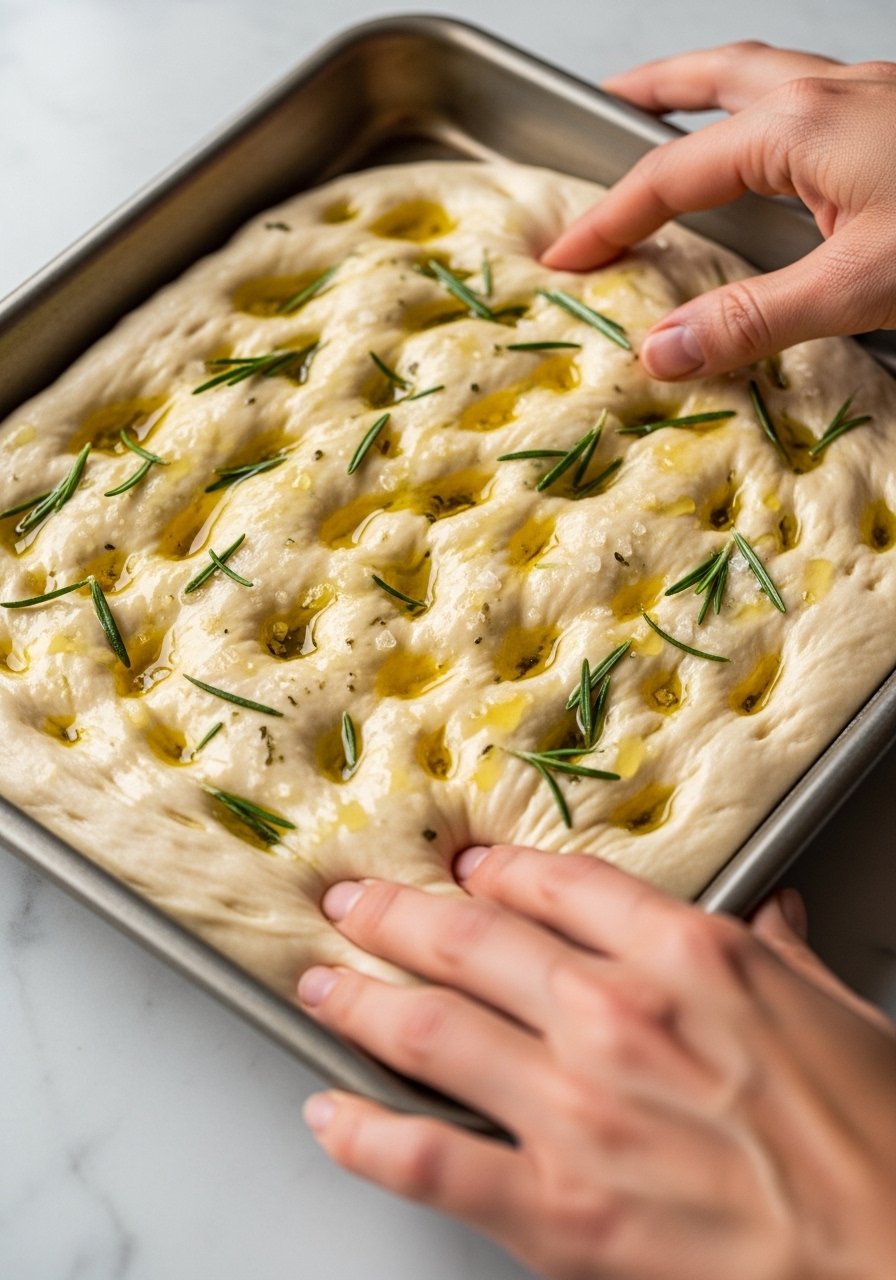
Gentle handling keeps the crumb open. Oil a 9×13 rimmed baking sheet generously with 30 g olive oil and transfer the dough, stretching it with oiled fingertips. Use an offset spatula if it resists.
- Dimple the dough with your fingertips until the sheet is covered.
- Drizzle another 20–30 g olive oil, add rosemary and flaky sea salt.
- Let rest 20–30 minutes while oven preheats to 450°F (230°C).
Bake on a preheated oven rack for 20–25 minutes until the top is deep golden and the interior reaches about 200–205°F (use an instant-read thermometer to check). A rimmed sheet pan crisps edges—try a rimmed baking sheet for reliable results. Use a silicone pastry brush for even oiling without tearing.
Common mistakes:
- Dough too dry → too dense. Add 10–20 g extra water next batch.
- Over-oiling pan → greasy bottom. Oil just enough to coat.
Serving, Storage, and Make-Ahead Tricks
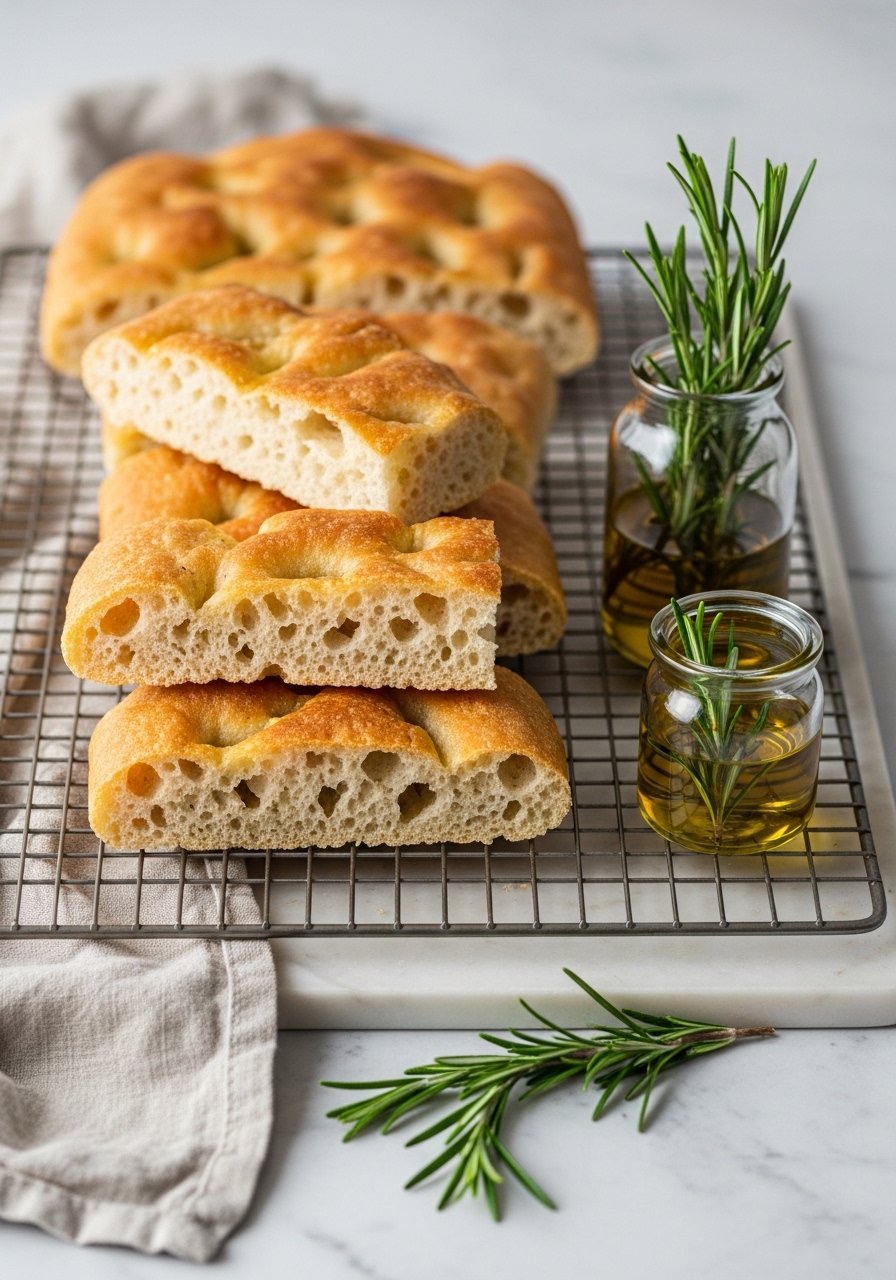
Cool on a wire cooling rack immediately to avoid soggy bottoms. Serve warm with olive oil or use for sandwiches.
Storage:
- Room temp in an airtight glass storage container for 1–2 days.
- Freeze sliced flat in a bag for up to 3 months; reheat 350°F for 8–10 minutes.
Make-ahead: refrigerate dough overnight in the pan after dimpling; bake straight from cold, adding a few extra minutes.
Which variation will you try first—rosemary and sea salt, caramelized onions, or garlic-chili? Pin this guide and use the tools above to make your best focaccia yet.
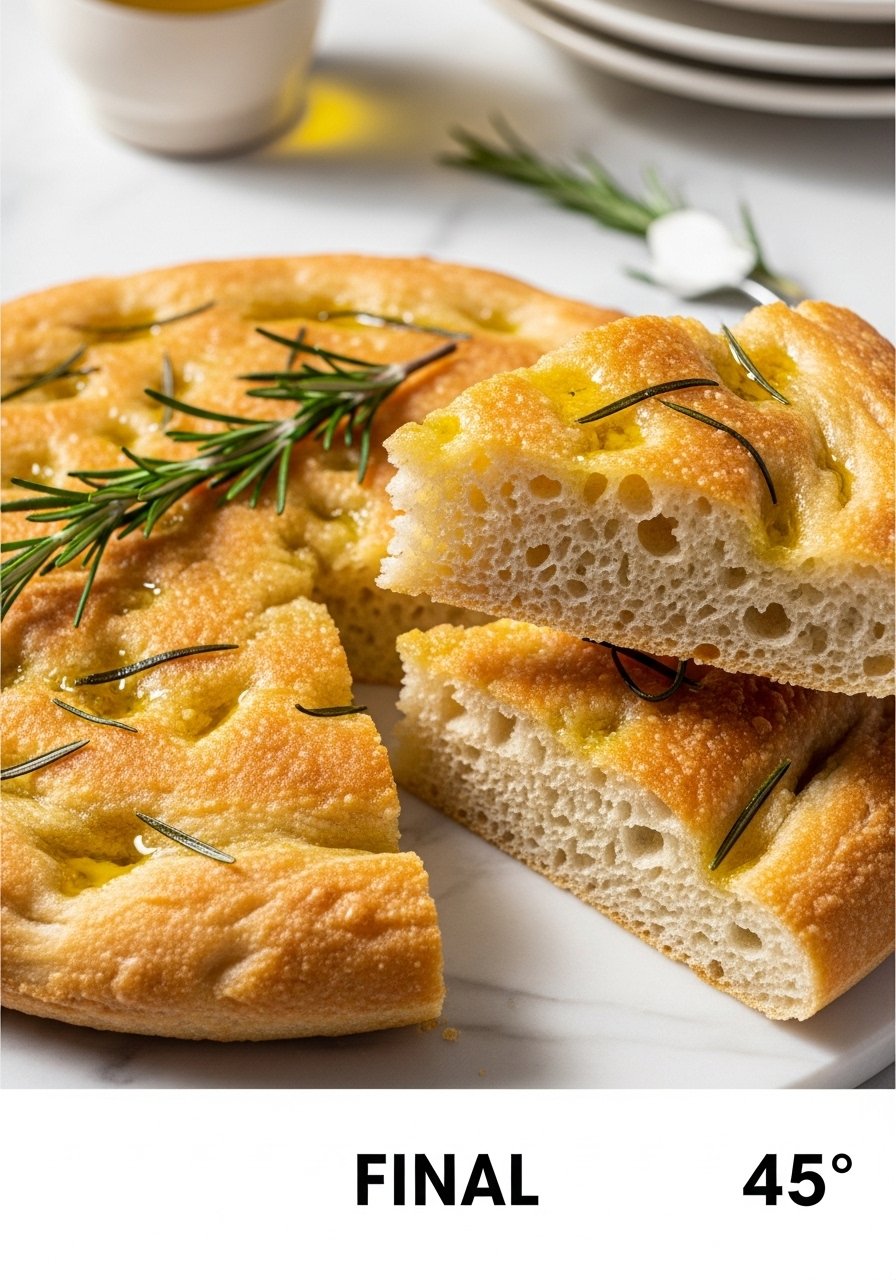
Your focaccia from scratch should now be crispy on the outside, airy inside, and full of flavor. Save this guide, pin it for later, and tell a friend. If you want precise results every time, grab a digital kitchen scale and an instant-read thermometer—they're small investments that pay off in perfect loaves. Which tip will you try first?